
ALTECH is collaborating with the Barcelona area’s ATM (Transport Authority) on the development of the new DUM (Urban Goods Distribution) platform.
ALTECH is collaborating with the Barcelona Metropolitan Transport Authority (ATM) on the development of the new DUM (Urban Goods Distribution) platform. This project was created as a hub for the integration and consultation of data on mobility and logistics for Catalan municipalities.
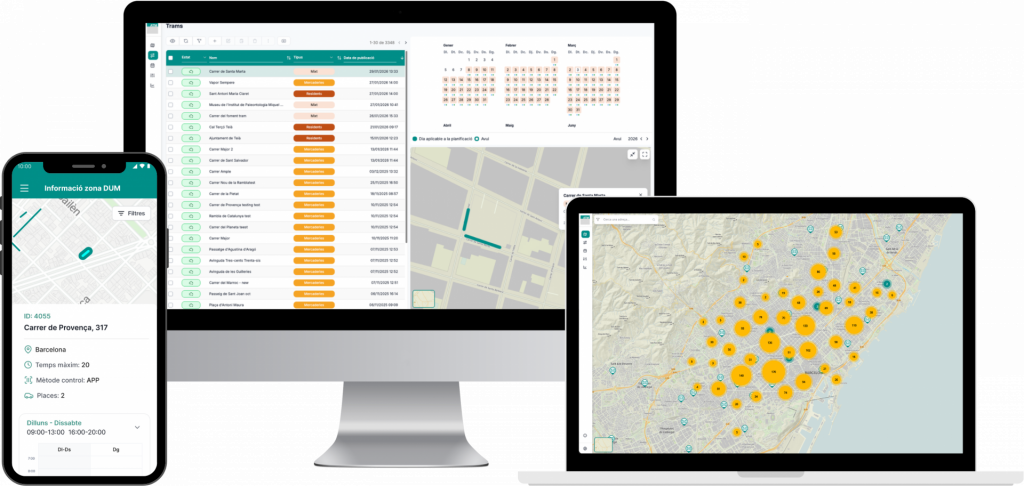
The tool, which will evolve from the current VisorDUM, is scheduled for launch in the first half of 2026. Its aim is to offer advanced solutions to local councils, transport companies, consultancies and citizens to improve freight transport planning.
Innovation and modular architecture
The platform stands out as a pioneer in the country for using the international standards of the Open Mobility Foundation (OMF). Its design is based on a modular and scalable architecture that allows for easy integration with third parties without compromising security or usability.
Its main technical features include:
- Customised data management: Each local entity will own and manage its information through user roles and hierarchies.
- Real-time information: Instant visualisation of the most relevant KPIs and mobility status.
- App for professionals: A multilingual mobile application (Catalan, Spanish, English) designed for transport companies to optimise their routes and deliveries.
- Logistical synergies: Collaboration with CIMALSA to improve information on parking for heavy goods vehicles.
What will users be able to consult?
Through an interactive interface, users will be able to filter and view critical parameters for daily operations at the location and time slot of their choice:
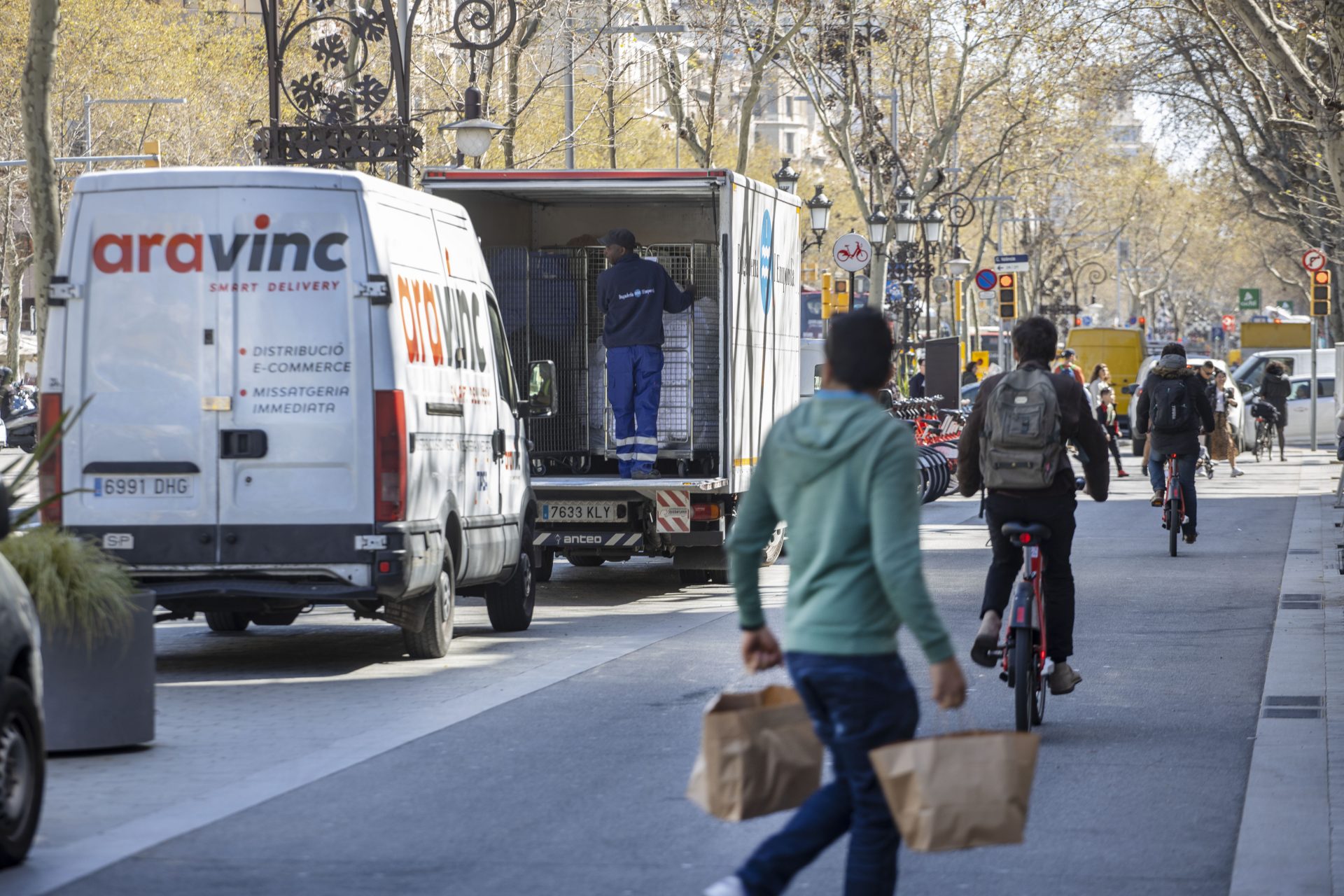
- Loading and unloading zones (CiD/DUM) and pedestrian areas.
- Current regulations on access restrictions for vans and lorries.
- Low Emission Zones (LEZ) and dangerous goods routes.
- Planned closures, such as roadworks, events or street markets.
- Delivery points and lockers, as well as logistics mobility heat maps.
The great challenge of this project is the collection and harmonisation of data from very diverse sources in order to offer an operational, valuable and lasting tool for all the agents involved.